Is Moissanite Worth It? An Honest Take¿Vale la pena la moissanita? Una opinión honesta
By Ryland, founder of Airwaves · Updated July 2026Por Ryland, fundador de Airwaves · Actualizada en julio de 2026
Esta guía está en inglés por ahora. Pronto la tendremos en español.
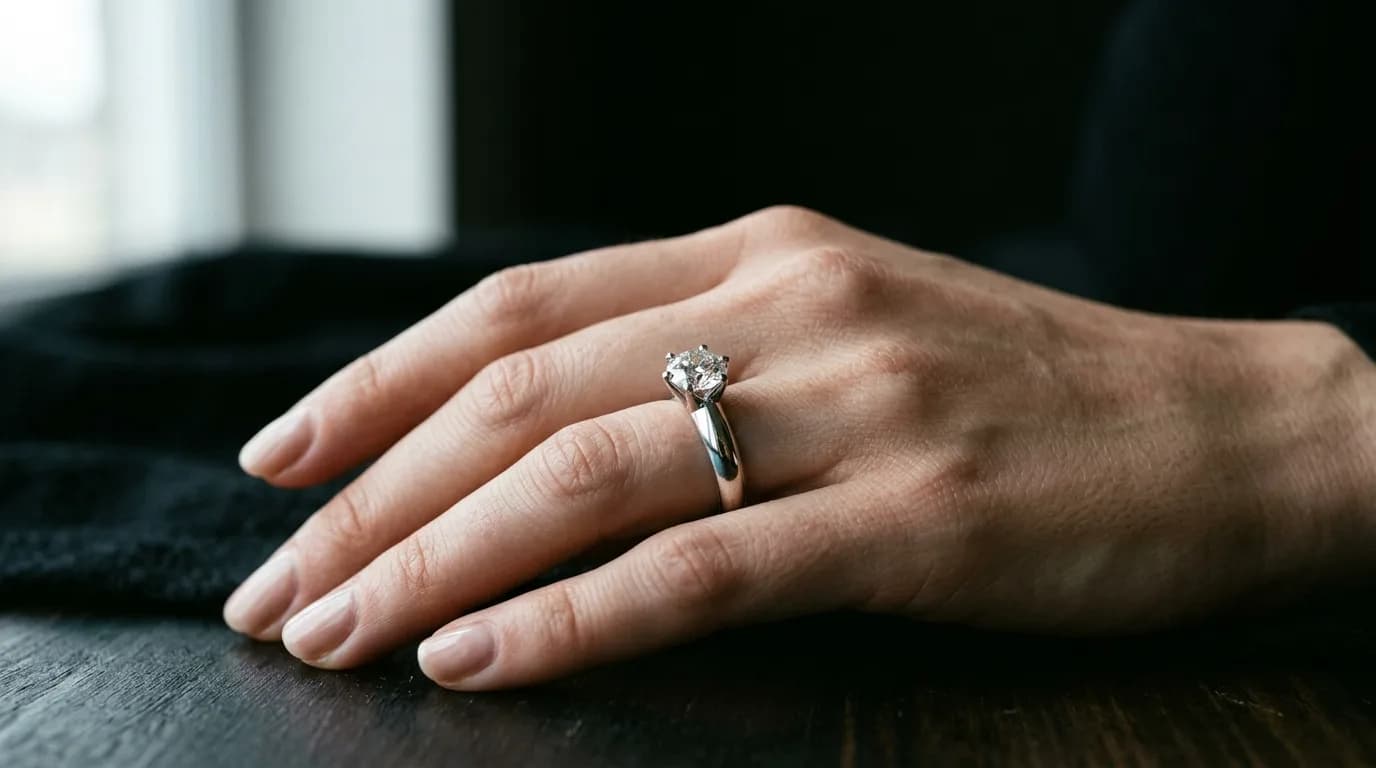
When something looks like a diamond and costs a tenth as much, the natural reaction is to look for the catch. So let's do that honestly — the genuine upsides, the real trade-offs, and who moissanite is and isn't right for. No spin.
The case for: value and durability
The headline is the price. You get a brilliant, D-color, eye-clean stone for a fraction of a diamond's cost — which means a bigger stone, money left over, or both. And it's not a fragile bargain: at 9.25 Mohs, moissanite is built for daily wear and won't cloud or scratch its way to dullness like cheaper imitations.
It helps to see what "a fraction" means with real numbers. Here's the same money spent three ways:
| You spend | Mined diamond | Cubic zirconia | D-color moissanite |
|---|---|---|---|
| $100 | Nothing wearable | Big stone; clouds and scratches within a year or two | 1–2ct certified stone in solid S925 silver, wears like new for decades |
| $500 | A very small stone | You'd never spend this on CZ | The top of our line — 6ct certified cuts, tennis pieces |
| $3,000 | ~1ct, respectable | — | Not possible. Buy the ring, the band, the earrings, and go on a trip |
Durability, in practice
Numbers on a hardness scale are abstract; here's what 9.25 Mohs means day to day. Keys, coins, sand, countertops — all far softer than moissanite, so pocket-and-purse life doesn't mark it. Cubic zirconia (about 8–8.5 Mohs, and porous) scratches and clouds within a couple of years; moissanite doesn't. The only common things hard enough to scratch a moissanite are diamond and another moissanite. Wear it in the shower, the gym, the garden. A warm-water rinse and a soft cloth bring back the full fire — our two-minute cleaning guide covers it.
The honest trade-offs
Two things to know going in. First, moissanite throws more fire than a diamond — most people love it, but if you wanted a diamond's exact restrained sparkle, this isn't quite that. Second, moissanite doesn't hold resale value the way a diamond markets itself to (though, realistically, most diamonds don't resell for anything close to their sticker either). If you're buying a ring to wear, not to flip, neither of these is a problem.
Who it's perfect for
Anyone who wants the look and durability of a diamond without the markup; anyone who'd rather spend the difference on the wedding, the house, or literally anything else; and anyone who likes the idea of a lab-grown, mining-free stone. That's a lot of people.
Who might want a diamond instead
If owning a mined diamond specifically — for tradition, status, or sentiment — is the point for you, moissanite won't scratch that itch, and that's completely valid. The stone you'll be happy looking at for decades is the right one, full stop.
The verdict
For the vast majority of shoppers chasing beauty and value, moissanite is absolutely worth it — and the GRA certificate in the box means you always know exactly what you bought.
QuestionsPreguntas
Is moissanite worth buying?
For most people, yes — you get a brilliant, durable, D-color stone for a fraction of a diamond's price. The main trade-offs are more fire than a diamond and lower resale, neither of which matters if you're buying a ring to wear.
Does moissanite hold its value?
Not the way diamonds are marketed to — but in practice most diamonds don't resell for much either. Moissanite is best thought of as something beautiful to wear, not an investment.
Keep readingSigue leyendo
- Moissanite vs Diamond: An Honest ComparisonMoissanita vs. diamante: una comparación honesta →
- The No-Nonsense Engagement Ring Buying GuideLa guía sin rodeos para comprar un anillo de compromiso →
- How Much Does Moissanite Cost? A Clear Price Breakdown¿Cuánto cuesta la moissanita? El precio explicado →
- What Is Moissanite? The Complete Plain-English Guide¿Qué es la moissanita? La guía completa y sencilla →