Is Moissanite Real? Yes — Here's What It Actually Is¿La moissanita es real? Sí, esto es lo que es
By Ryland, founder of Airwaves · Updated June 2026Por Ryland, fundador de Airwaves · Actualizada en junio de 2026
Esta guía está en inglés por ahora. Pronto la tendremos en español.
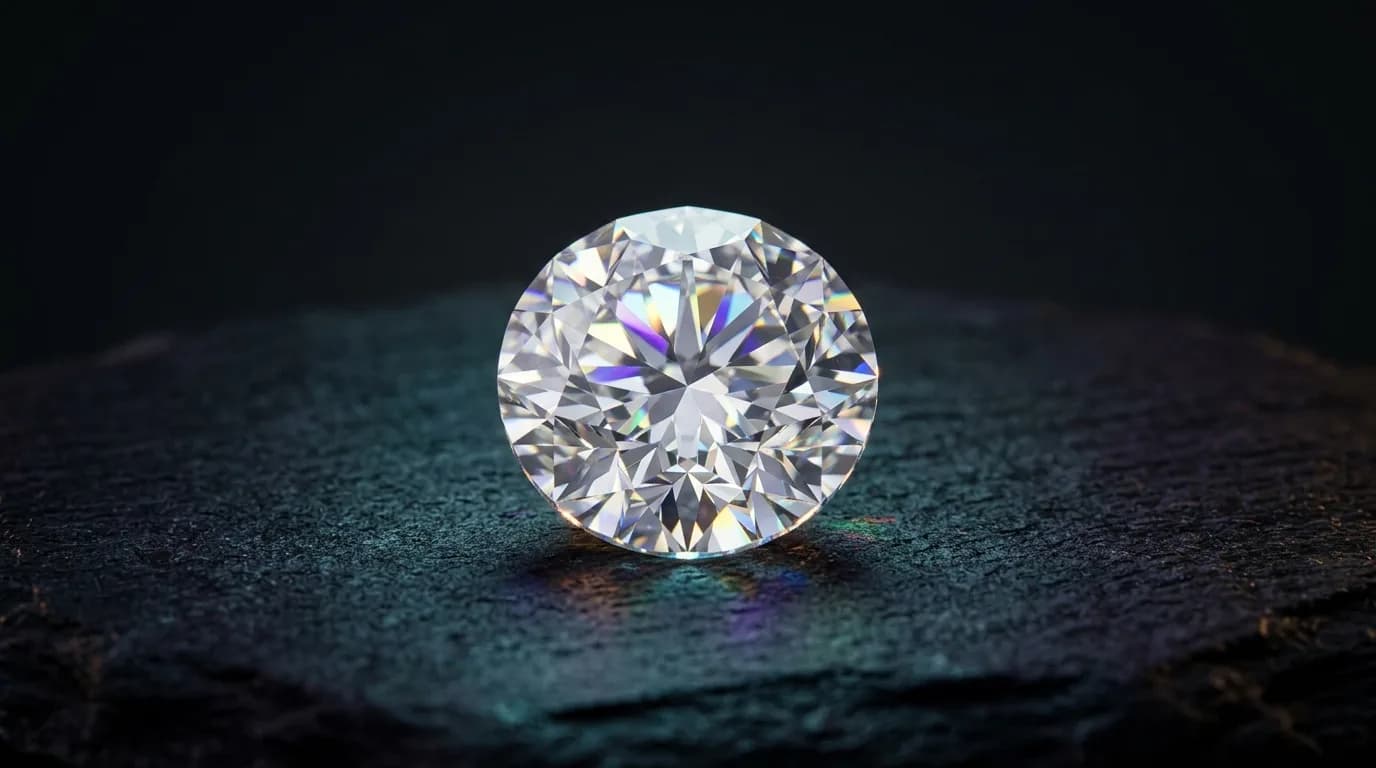
Short answer: yes, moissanite is real. It's a genuine, distinct gemstone — not glass, not cubic zirconia, and not a "fake diamond." The confusion is understandable, so here's exactly what it is and where it comes from.
A gem that arrived by meteor
Moissanite is silicon carbide. It was discovered in 1893 by the French chemist Henri Moissan in a meteor crater in Arizona — he first thought he'd found diamonds, which tells you something about how convincing it is. Natural moissanite turned out to be vanishingly rare, so the moissanite in jewelry today is grown in a lab to gem quality.
It is not cubic zirconia
People mix the two up constantly, but they're different stones, and it's not close. Moissanite is far harder (9.25 vs about 8.5 on the Mohs scale), throws noticeably more fire, and won't cloud or yellow with age. Cubic zirconia is softer and tends to go dull over time. If CZ is the understudy, moissanite is the lead.
Built to last
At 9.25 Mohs, moissanite is one of the hardest materials used in jewelry — excellent for daily wear. It resists scratching better than almost any gem except diamond, and it keeps its brilliance for life rather than fading into a cloudy lump in a few years.
Certified, not guesswork
Every Airwaves moissanite piece is D-color and GRA certified, with the certificate in the box — so "is it real?" has a documented, verifiable answer rather than a shrug.
QuestionsPreguntas
Is moissanite the same as cubic zirconia?
No. They're different materials. Moissanite is silicon carbide — much harder, more brilliant, and far more durable than CZ, which is softer and can cloud over time.
Will moissanite cloud, fade, or lose its sparkle?
No. Moissanite doesn't cloud or change color, and its hardness resists the scratches that dull softer stones. A quick clean with warm water and mild soap keeps it sparkling.
Keep readingSigue leyendo
- What Is GRA Certification (and How to Verify Your Moissanite)Qué es el certificado GRA (y cómo verificar tu moissanita) →
- Moissanite Grades Explained: Color, Clarity & CutGrados de la moissanita: color, claridad y corte →
- What Is Moissanite? The Complete Plain-English Guide¿Qué es la moissanita? La guía completa y sencilla →
- Is Moissanite a Diamond? No — Here's the Real Difference¿La moissanita es un diamante? No, esta es la diferencia →